
"Atitlan region"
400 article(s) found

Coffee bean common sense Guatemala Antigua flower god coffee culture
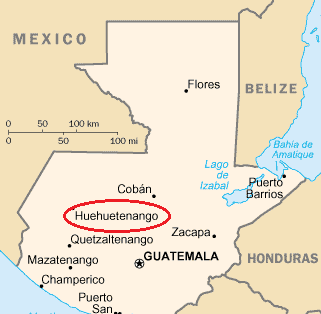
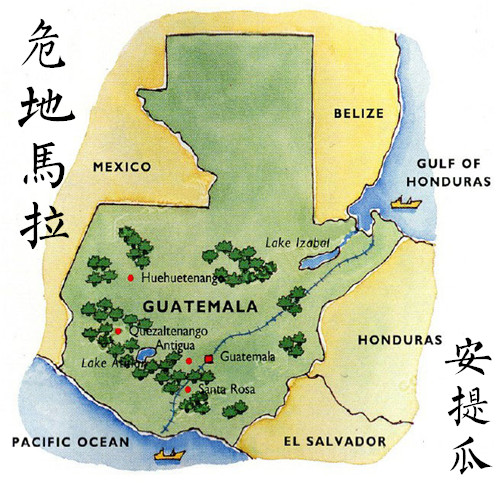
Coffee was really introduced into Guatemala in 1750 by Father Jesuit, where the coffee industry was developed by German colonists at the end of the 19th century. Today, most of the coffee industry's production takes place in the south of the country. Guatemala has seven main coffee producing areas: Antigua (Antigua), Cobain (Coban), Lake Attilan (Atitlan), Vevetnango (Huehuetenango)
ILLY Italian Arabica coffee beans (Guatemala) Starbucks Guatemala Antigua Coffee
[guide] the Ekatlago Valley rises to 2000 meters (6500 feet), with dense shade and unique ecology, and the nearby Fuego volcano erupts, making its coarse, sandy soil rich in various minerals. Temperate sea breezes from the Pacific Ocean and seasonal climate have raised the Ekatangol Valley in Guatemala Guatemala to 2000 meters (6500 feet).

Basic knowledge of Coffee Culture Guatemala Antigua Flower God Coffee Culture
Coffee was really introduced into Guatemala in 1750 by Father Jesuit, where the coffee industry was developed by German colonists at the end of the 19th century. Today, most of the coffee industry's production takes place in the south of the country. Guatemala has seven main coffee producing areas: Antigua (Antigua), Cobain (Coban), Lake Attilan (Atitlan), Vevetnango (Huehuetenango)

Coffee beans Guatemala Antigua Flower God (Guatemala Antigua)
Coffee was really introduced into Guatemala in 1750 by Father Jesuit, where the coffee industry was developed by German colonists at the end of the 19th century. Today, most of the coffee industry's production takes place in the south of the country. Guatemala has seven main coffee producing areas: Antigua (Antigua), Cobain (Coban), Lake Attilan (Atitlan), Vevetnango (Huehuetenango)
General knowledge of Coffee Culture Guatemala Antigua Flower God Coffee Culture
Coffee was really introduced into Guatemala in 1750 by Father Jesuit, where the coffee industry was developed by German colonists at the end of the 19th century. Today, most of the coffee industry's production takes place in the south of the country. Guatemala has seven main coffee producing areas: Antigua (Antigua), Cobain (Coban), Lake Attilan (Atitlan), Vevetnango (Huehuetenango)

A brief introduction to the cultivation of high-quality Guatemalan coffee beans, geographical location, climate and altitude
Guatemala has seven major coffee producing areas: Antigua,Coban,Atitlan,Huehuetenango,Fraijanes,Oriente and San Marcos. Antigua is a famous producer of coffee. Antigua coffee is produced in Hacienda Carmona, where the best quality coffee is EL Pulcal, which is not only of good quality, but also better than
Guatemala Antigua Coffee Culture Guatemala's most expensive Coffee Buck Antigua Coffee
Coffee was really introduced into Guatemala in 1750 by Father Jesuit, where the coffee industry was developed by German colonists at the end of the 19th century. Today, most of the coffee industry's production takes place in the south of the country. There are seven main coffee producing areas in Guatemala: Antigua, Coban, Atitlan and Huehuete.
Common sense of Coffee Bean Culture Guatemala Antigua Flower God Coffee Culture
Coffee was really introduced into Guatemala in 1750 by Father Jesuit, where the coffee industry was developed by German colonists at the end of the 19th century. Today, most of the coffee industry's production takes place in the south of the country. Guatemala has seven main coffee producing areas: Antigua (Antigua), Cobain (Coban), Lake Attilan (Atitlan), Vevetnango (Huehuetenango)
Taste of Guatemalan Coffee introduces the characteristics of Incht Manor in Guatemala
Guatemala has seven major coffee producing areas: Antigua,Coban,Atitlan,Huehuetenango,Fraijanes,Oriente and San Marcos. The coffee beans in each producing area have their own characteristics, and they have won a lot of praise for Guatemala in the international community, especially the perfect harmony of Antigua's sour, sweet and mellow texture; add a hint of smoky taste to emphasize its
Guatemalan Coffee how to taste a single coffee? Guatemalan Coffee Latisha Manor
[guide] the Ekatlago Valley rises to 2000 meters (6500 feet), with dense shade and unique ecology, and the nearby Fuego volcano erupts, making its coarse, sandy soil rich in various minerals. Temperate sea breezes from the Pacific Ocean and seasonal climate have raised the Ekatangol Valley in Guatemala Guatemala to 2000 meters (6500 feet).
Buy Guatemalan Coffee how to taste a single coffee? Antigua Antigua Guatemala
[guide] the Ekatlago Valley rises to 2000 meters (6500 feet), with dense shade and unique ecology, and the nearby Fuego volcano erupts, making its coarse, sandy soil rich in various minerals. Temperate sea breezes from the Pacific Ocean and seasonal climate have raised the Ekatangol Valley in Guatemala Guatemala to 2000 meters (6500 feet).
Introduction of boutique coffee manor: a detailed introduction of the characteristics and attributes of coffee in the eight major producing areas of Guatemala
The Ekatlago Valley is 2000 meters (6500 feet) above sea level, with dense shade and unique ecology. The nearby Fuego volcano erupts, making its coarse, sandy soil rich in a variety of minerals. Temperate sea breezes from the Pacific and a seasonal climate allow coffee in this region to be dried by sunlight and processed according to traditional family methods that have been accumulated over the years. [characteristics]
Coffee import declaration, coffee bean import declaration, supply, Guatemala coffee import declaration process
[guide] the Ekatlago Valley rises to 2000 meters (6500 feet), with dense shade and unique ecology, and the nearby Fuego volcano erupts, making its coarse, sandy soil rich in various minerals. Temperate sea breezes from the Pacific Ocean and seasonal climate have raised the Ekatangol Valley in Guatemala Guatemala to 2000 meters (6500 feet).
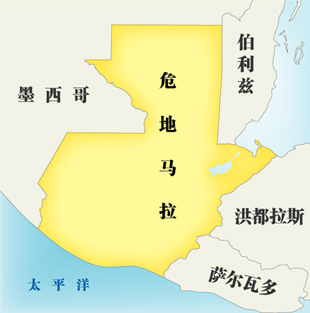
The characteristic attribute of coffee in eight producing areas of Guatemala 4. Antigua coffee in Guatemala is classified by origin
[guide] the Ekatlago Valley rises to 2000 meters (6500 feet), with dense shade and unique ecology, and the nearby Fuego volcano erupts, making its coarse, sandy soil rich in various minerals. Temperate sea breezes from the Pacific Ocean and seasonal climate have raised the Ekatangol Valley in Guatemala Guatemala to 2000 meters (6500 feet).
Introduction to the planting characteristics of coffee bean producing areas in Guatemala
Follow Cafe (official Wechat account vdailycom) found that the Ekatlago Valley rises 2000 meters (6500 feet) to 2000 meters (6500 feet). The shade is thick and the ecology is unique. The nearby Fuego volcano erupted, making its coarse, sandy soil rich in various minerals. The temperate sea breeze from the Pacific and the seasonal climate make this producing area
Guatemala Antigua Flower God Coffee Culture China Coffee Network Central and South American beans
Coffee was really introduced into Guatemala in 1750 by Father Jesuit, where the coffee industry was developed by German colonists at the end of the 19th century. Today, most of the coffee industry's production takes place in the south of the country. There are seven main coffee producing areas in Guatemala: Antigua, Coban, Atitlan and Huehuet.
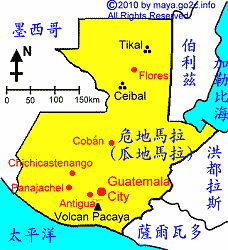
A brief introduction to the characteristics of coffee from eight major producing areas in Guatemala Antigua coffee beans Guatemalan coffee
[guide] the Ekatlago Valley rises to 2000 meters (6500 feet), with dense shade and unique ecology, and the nearby Fuego volcano erupts, making its coarse, sandy soil rich in various minerals. Temperate sea breezes from the Pacific Ocean and seasonal climate have raised the Ekatangol Valley in Guatemala Guatemala to 2000 meters (6500 feet).

Sharing of Ice hand Coffee making skills in LYNN Manor, Guatemala _ flavor characteristics of Guatemalan iced coffee
Professional coffee knowledge exchange more coffee bean information please follow the coffee workshop (Wechat official account cafe_style) Lake Attilan is one of the four major volcanic coffee areas in Guatemala. The mountainous Atitlan region gives coffee a more leisurely personality but no less flavor than Huehuetenango. The soil of Attland is full of fertile soil.
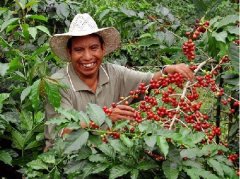
Guatemalan National Coffee Guatemala Coffee producing area Etiran Atitlan
Professional barista communication please follow the coffee workshop (Wechat official account cafe_style) Guatemala Republic Repblica de Guatemala (Spanish) general name: Guatemala Flag of Guatemala.svg Coat of arms of Guatemala.svg flag national emblem national motto: Libre Crezca Fecundo. (Spanish) develop freedom, promote
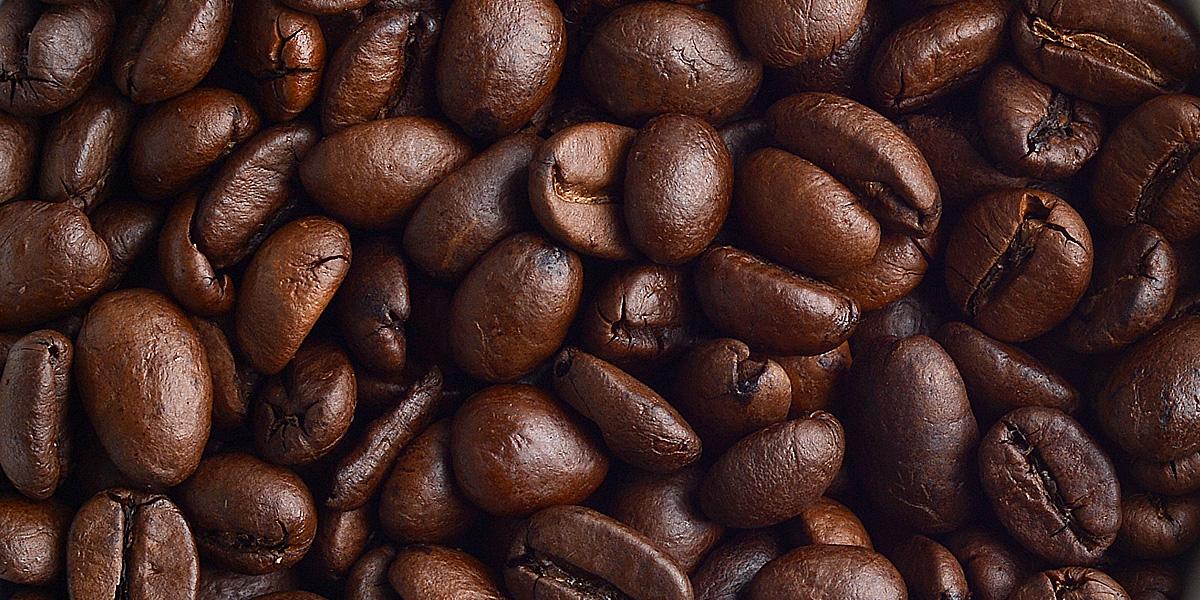
The origin of Guatemalan coffee beans, the taste of Guatemalan coffee
Following Cafe (Wechat official account vdailycom) found that Beautiful Caf é opened a small shop of its own in Guatemala coffee bean producing area one: the Akanango Valley rises to 2000 meters (6500 feet) with thick shade and unique ecology. The eruption of the nearby Fuego volcano has made its coarse, sandy soil rich in various minerals. Temperate sea breezes from the Pacific and